Skull Surfing Board Retro Vector Review
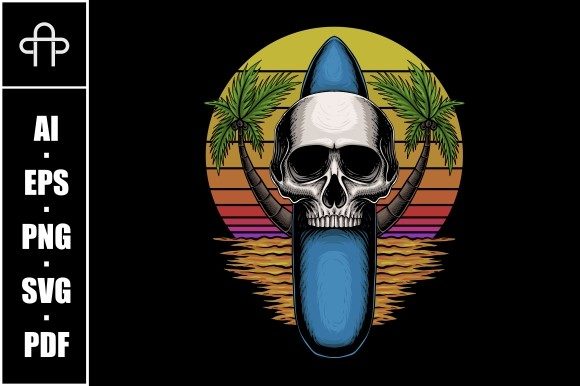
When I first pulled up the Skull Surfing Board Retro Vector, my immediate thought wasn’t about the file format or the technical specs—it was about the vibe. As a designer who spends hours staring at stitch lines and worrying about hooping stability, I look for designs that translate well from screen to fabric. This illustration has a distinct personality: bold, slightly rebellious, yet nostalgic enough to fit into a mainstream boutique aesthetic. It’s not just another generic skull graphic; it carries a specific energy that screams summer festivals, coastal living, and vintage surf culture.
I evaluated this design with a very practical goal in mind: would this work as a centerpiece for a commercial embroidery project? Specifically, I imagined using it on a custom embroidered tote bag or a heavyweight sweatshirt for a small business client. The vector nature of the source files (AI, EPS, SVG) gives us a clean foundation, but how does it actually behave when we talk about thread, tension, and fabric texture?
Visual Impact and Design Personality
The first impression of the Skull Surfing Board Retro Vector is its strong silhouette. In embroidery, shape is everything. If the outline isn’t clear, the stitch placement gets chaotic. Here, the combination of the skull motif and the surfboard creates a balanced composition that feels grounded. It doesn’t feel cluttered, which is a common pitfall with retro-style graphics that often rely on too many intricate details.
The mood is playful rather than aggressive. For an embroidery project targeting a broader audience—think Etsy sellers or craft fair attendees—this is crucial. A scary skull might alienate customers looking for home decor or baby items, but a stylized, retro version feels approachable. It works beautifully for custom apparel like t-shirts and hoodies, where you want a statement piece that doesn’t overwhelm the garment. It also lends itself perfectly to personalized gifts, such as a cap for a surfer enthusiast or a pillow cover for a beach house rental.
Real-World Application: From Screen to Stitch
Let’s talk about execution. When I reviewed the design for potential use in machine embroidery, I considered several scenarios. First, the tote bag design. Canvas is a forgiving fabric, but it can be thick. The bold lines of the Skull Surfing Board Retro Vector would hold up well here. Using a dense fill stitch for the board and a satin stitch for the outlines would give it a premium, textured look that elevates the product value.
Another strong candidate is the sweatshirt embroidery. On fleece or cotton blends, this design would pop if paired with the right thread colors. Imagine a heather grey sweatshirt with white and black threads for the skull, accented by a bright yellow or teal for the surfboard waves. The contrast is key. If the fabric is dark, you’ll need a high-contrast thread palette to ensure the details don’t get lost in the weave. This is where checking your design in a black-and-white mockup comes in handy before committing to expensive specialty threads.
For baby embroidery, however, I’d proceed with caution. While the style is cute, skulls are inherently edgy. If you’re making onesies or burp cloths, you’d likely want to simplify the design or reduce the size significantly. But for a holiday gift or a birthday present for a teen or adult, this design hits the sweet spot of trendy and timeless.
Technical Considerations and Potential Pitfalls
No design is perfect for every surface. There are specific situations where the Skull Surfing Board Retro Vector might require adjustments or careful handling.
- Small Hoop Sizes: If you attempt to digitize or embroider this in a very small hoop (under 4x4 inches), you risk losing detail. The curves of the surfboard and the features of the skull may become muddy if the stitch density is too high for the space. Always test the hoop size relative to the final product dimensions.
- Textured Fabrics: Embroidering on heavily textured fabrics like boucle or thick chenille can distort the fine lines of a vector design. The fabric bumps can cause the needle to deviate, leading to misaligned stitches. Stick to smooth, tightly woven fabrics like cotton twill, denim, or polyester blends for the cleanest result.
- Curved Surfaces: Applying this to a curved surface like a baseball cap requires precise stabilization. Without proper backing, the tension might pucker the fabric around the skull’s eye sockets or the board’s rails. Use a tear-away stabilizer for temporary support and consider a cut-away stabilizer if the cap will be washed frequently.
- Dense Stitch Areas: If the design includes large areas of fill stitch, check the stitch density. Too much thread in one area can make the fabric stiff and uncomfortable, especially on custom apparel worn against the skin. Balance the fill with negative space or lighter running stitches to keep the garment wearable.
Stitch Quality and Thread Choices
The success of any embroidery file often comes down to the thread choice. For the Skull Surfing Board Retro Vector, metallic threads could add a luxurious touch, particularly on the surfboard accents. However, metallics can be tricky—they fray easily and may require slower machine speeds. If you’re aiming for a durable finished product that withstands frequent washing, stick to high-quality polyester or rayon threads.
Consider the color story carefully. A classic black and white skull with a vibrant orange board creates a striking visual. Alternatively, a pastel palette (mint green, soft pink) can soften the edge, making it suitable for nursery decor or spring-themed collections. The versatility of the vector source allows you to experiment with these palettes digitally before spending money on thread.
Commercial Viability and Branding
For Etsy sellers and small shop owners, this design offers strong commercial potential. It fits neatly into popular niches like boho chic, surf life, and alternative fashion. It’s versatile enough to be used on aprons for a quirky kitchen towel line, patches for backpacks, or even pillow covers for modern living rooms.
However, always verify licensing terms. Just because you have the digital assets doesn’t automatically grant commercial rights for physical goods. Ensure you understand the scope of use before listing your handmade products online. Clear licensing builds trust with your customers and protects your brand from legal issues.
Final Verdict
The Skull Surfing Board Retro Vector is a solid addition to any designer’s library. It balances artistic flair with practical embroidery considerations. Its bold shapes and nostalgic theme make it ideal for commercial embroidery projects that aim to stand out. Whether you’re creating digital product previews for clients or crafting unique craft business items for sale, this design provides a reliable foundation for creativity.
My advice? Test it thoroughly. Start with scrap fabric, adjust your stabilizer choices based on the material, and pay close attention to thread colors. With careful execution, this design can transform into a high-value finished product that resonates with customers who appreciate both style and substance.