Fall Nice Foliage Retro Style Art Review
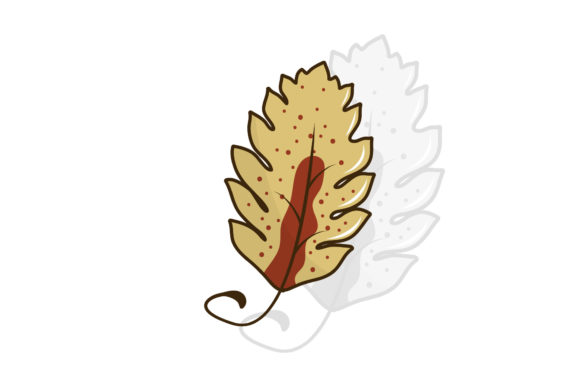
When I first opened the folder for Fall Nice Foliage Retro Style Art, I didn't just see a pretty picture; I saw a potential bestseller. As someone who has spent years turning digital pixels into tangible stitched goods, my first instinct is always to ask: "How will this actually look on fabric?" The answer lies in the balance between nostalgic charm and technical feasibility. This piece brings a warm, vintage vibe that feels perfectly suited for the current market demand for cozy, autumnal aesthetics.
The initial mood of the design is unmistakable. It captures that specific golden-hour feeling of crisp fall days without relying on cliché pumpkin stereotypes. The retro styling suggests a timelessness that appeals to crafters looking for something unique for their Etsy seller shops or boutique branding. For a designer evaluating this as a commercial asset, the visual personality is strong enough to stand out in a crowded feed yet simple enough to be versatile across various product lines.
From Digital Canvas to Stitched Reality
Let's imagine a real-world scenario. You are preparing for a holiday craft fair, and you need a cohesive collection of merchandise. You decide to create custom embroidered tote bags and sweatshirts featuring this design. The question becomes: does Fall Nice Foliage Retro Style Art translate well from a 1920px x 1280px canvas to a physical textile?
In practice, this design excels on medium-to-large surface areas. On a sturdy cotton canvas tote bag, the retro foliage elements would likely hold their shape beautifully, creating a textured focal point that customers can run their fingers over. The layout appears balanced, which is crucial for apparel like sweatshirts where the design sits on the chest or back. If used on a baby item, such as a onesie or a small bib, the softer aesthetic could work wonders, provided the stitch density isn't too aggressive for delicate skin.
However, the transition from graphics to embroidery requires careful consideration of thread colors and fabric texture. A retro style often relies on specific color palettes—mustard yellows, burnt oranges, deep greens—to feel authentic. When selecting your thread colors, you must ensure they offer enough contrast against your chosen fabric. If you place this design on a dark, textured wool blend, the lighter retro tones might get lost unless you use a high-quality underlay or a contrasting backing thread. Conversely, on light-colored linen or cream canvas, the design pops with a clarity that enhances the handmade presentation.
Where This Design Shines in Your Product Line
This file is not a one-trick pony. Its versatility makes it an excellent addition to any embroidery project library. Beyond standard apparel, I see significant potential for home decor items. Imagine a set of kitchen towels or pillow covers featuring this foliage art. The retro theme fits perfectly with modern farmhouse or vintage-inspired interior trends, adding a touch of warmth to a kitchen or living space.
For those running a craft business, the design's clean lines make it ideal for creating matching sets. You could produce a coordinated line of aprons, cap hats, and patches. An embroidered patch version of this design could serve as a great upsell item for customers buying clothing. Furthermore, if you are a digital product seller, this graphic serves as a fantastic base for printable mockups. Showing how the design looks on a mockup of a hoodie or a tote bag helps buyers visualize the final product before purchasing, increasing trust and engagement.
The design also holds up well as a personalized gift element. Whether it is monogrammed alongside the foliage for a wedding gift or used as a standalone decoration for a holiday present, the artistic quality elevates the perceived value of the finished item. Customers appreciate designs that look professional and thoughtfully executed, and Fall Nice Foliage Retro Style Art delivers that polished look when stitched correctly.
Technical Constraints and Areas of Caution
While the design is promising, no single file works everywhere. There are specific scenarios where Fall Nice Foliage Retro Style Art requires extra caution. Small hoop sizes are a primary concern. If you attempt to stitch this on a very small area, such as a child's hat brim or a tiny pocket, the details may become muddled. The intricate nature of retro foliage can sometimes result in thread breaks or piling if the stitches are too dense for the available space.
Stretchy fabrics, like jersey knit t-shirts, pose another challenge. Without proper stabilizer usage, the tension of the embroidery could cause the fabric to pucker, distorting the retro shapes. Thin or sheer fabrics should be avoided entirely unless heavily backed, as the weight of the stitching could tear the material. Additionally, curved surfaces like caps require precise digitizing adjustments. If the original file was optimized for flat surfaces, applying it to a curved cap might result in misalignment or uneven coverage.
Dense stitch areas within the design should be reviewed closely. High-density fill stitches can create a stiff hand feel, which might be uncomfortable for items like baby clothes or frequently washed garments. If the design includes decorative accents or tiny lettering, test these elements carefully. Tiny text often disappears during the embroidery process, especially if the font size is reduced to fit smaller products.
Essential Notes for the Professional Designer
Before you commit to a full production run, there are critical steps you must take. First, always test the design on scrap fabric that matches your final product in terms of weave and stretch. This allows you to observe how the stitch density interacts with the material and whether the machine embroidery design performs as expected.
Check the thread color contrast thoroughly. Sometimes a design looks perfect on a screen but fails in reality due to low-contrast thread choices. Review the applique design potential if the file supports it, as applique can add depth and reduce the amount of fill stitching required. Confirm the hoop size requirements by measuring the bounding box of the design in your software. Ensure you have the correct stabilizer ready; cut-away stabilizers are generally recommended for stability on woven fabrics, while tear-away may suffice for lighter projects.
If you plan to sell finished items using this design, verify the licensing terms immediately. The product description mentions receiving AI and EP files, but it is vital to confirm whether you have commercial rights to sell the physical goods created from them. Do not assume the license covers all uses. Also, inspect the small details in the file itself. Are the paths closed? Are there unnecessary jumps that could lead to thread waste? These technical checks prevent costly mistakes later.
Finally, consider the longevity of the product. Will the design withstand frequent washing? Testing a sample wash cycle on your test piece is a non-negotiable step for ensuring customer satisfaction. By following these practical guidelines, you ensure that Fall Nice Foliage Retro Style Art transforms from a digital download into a cherished, high-quality handmade product.
In conclusion, this design offers a compelling blend of aesthetic appeal and functional utility. It is a strong candidate for anyone looking to expand their inventory with seasonal, high-value items. With the right preparation and attention to detail, it can elevate your brand and delight your customers.