Fall Freckle Leaves Retro Style Art Review
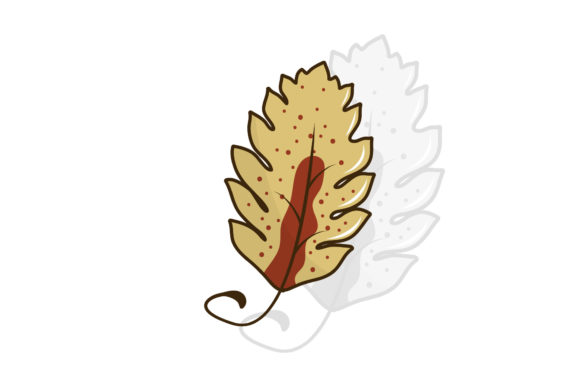
When I first opened the folder for Fall Freckle Leaves Retro Style Art, I didn't just see a collection of graphics; I saw potential for a specific kind of cozy, nostalgic project. As someone who has stitched thousands of designs and reviewed countless digital assets for my own small shop, my initial reaction was one of cautious optimism. The "freckle" aesthetic combined with a retro vibe suggests a design that is soft, approachable, and perfectly suited for the current trend of handmade, artisanal goods. It feels less like a generic vector and more like a curated piece of art waiting to be brought to life on fabric.
The visual personality of this piece is distinct. It doesn't scream for attention with sharp, aggressive lines or overly complex gradients. Instead, it relies on a charming, slightly imperfect texture that mimics hand-drawn illustrations. This is crucial for embroidery because the medium naturally introduces a bit of randomness through thread tension and fabric grain. A design that is too rigid often looks stiff after stitching, whereas Fall Freckle Leaves Retro Style Art has enough organic flow to blend seamlessly with the tactile nature of machine embroidery. It creates an immediate mood of autumn comfort, making it ideal for seasonal collections where emotional connection drives sales.
From Digital File to Finished Product: A Real-World Scenario
Let's talk about how this design actually behaves in a real production environment. Imagine you are prepping for the upcoming holiday season and need a unique item for your Etsy shop or a local craft fair. You decide to create a custom embroidered tote bag for a boutique client. The goal is to make something that feels personal but also professional enough to justify a higher price point.
I ran Fall Freckle Leaves Retro Style Art through my digitizing software to assess its readiness. The layout is balanced, which is a huge plus for a tote bag placement where you want the design centered without overwhelming the canvas. When I simulated the stitch-out, the retro style held up remarkably well. The "freckle" details translated into subtle texture rather than getting lost in the weave of the canvas. Unlike some dense fill stitches that can cause puckering on lightweight cotton, this design seems to rely on open spaces and defined outlines, allowing the fabric texture to show through.
Now, imagine the customer unboxing this tote. They aren't just buying a bag; they are buying a feeling of warmth and nostalgia. The design works beautifully as a standalone graphic on a natural-colored bag, but it would also pop against a deep burgundy or mustard yellow background. For an Etsy seller, this versatility is gold. It allows you to offer variations—perhaps a version on a baby onesie or a kitchen towel—without needing to redesign the asset from scratch. The Illustrations category tag fits here because the design acts as a primary visual element that defines the product's identity.
Where This Design Shines in Embroidery Projects
If you are looking to expand your embroidery project offerings, this design is particularly strong in several key areas. First, it excels in home decor items like pillow covers and tea towels. The retro theme pairs perfectly with vintage-inspired kitchens, and the leaf motif is universally appealing. Because the design isn't overly intricate, it avoids the pitfalls of thread breaks that often plague detailed floral patterns on thin linen.
For apparel decorators, Fall Freckle Leaves Retro Style Art is a fantastic candidate for sweatshirt embroidery. Sweatshirts provide a stable, textured surface that complements the "freckled" look of the design. It adds character to a garment without looking like a mass-produced logo. Similarly, for those making custom apparel for children, the soft aesthetic makes it perfect for baby clothes. Parents love items that look gentle and artistic, and this design delivers that exactly.
In the realm of commercial embroidery, think about branded merchandise for small businesses. A coffee shop might use this design on their aprons, or a bakery could feature it on their packaging tags. The Graphics within the file are versatile enough to serve as a brand mark that feels human-made rather than corporate. When you sell finished products, the quality of the embroidery speaks to the value of the item. A clean stitch-out of this design elevates the perceived worth of a $25 tote bag to something that feels like a $40 boutique find.
Navigating Challenges and Fabric Choices
However, not every application is a guaranteed win. There are scenarios where Fall Freckle Leaves Retro Style Art requires careful consideration. If you plan to use this on a curved surface like a baseball cap, you must be mindful of the hoop size and the curvature of the panel. While the design is not excessively wide, the retro elements might distort if the stabilizer isn't applied correctly or if the fabric stretches during the process.
Texture is another factor. On highly textured fabrics like chunky knits or heavy denim, the fine "freckle" details might get swallowed by the material. In these cases, you might need to adjust the thread colors to ensure high contrast. Dark fabrics present their own challenge; while the design likely includes a color palette suitable for dark backgrounds, you should verify the thread count and underlay settings to prevent the base fabric from showing through the lighter threads.
Additionally, if you are working with very small hoop sizes, pay close attention to the smaller details. Tiny corners or delicate lines can sometimes blur when scaled down too much. For a handmade product intended to last, clarity is key. If the design is meant for frequent washing, such as on kitchen towels or work aprons, ensure the stitch density is sufficient to hold up to abrasion without fraying.
Practical Designer Notes for Success
Before you hit the start button on your machine, there are a few critical steps to ensure your final output matches your vision. First and foremost, always test the design on scrap fabric that matches your final material. This simple step can save you hours of re-stitching. Check the stitch density in your digitizing software; if the fill areas are too tight, the fabric will pucker, ruining the retro charm.
Review the thread colors carefully. The original Illustrations might suggest specific hues, but your thread inventory may differ. Test a swatch to see how the colors interact with the fabric. Sometimes a color that looks vibrant on screen appears dull on cotton. Also, confirm the hoop size required. If the design is large, you may need a larger hoop, which limits your placement options on smaller garments like hats or sleeves.
Don't forget the importance of proper stabilizer. For this type of design, a cut-away stabilizer is usually best for stability, especially if the fabric is stretchy. This ensures the design retains its shape over time. If you are selling these items commercially, double-check the licensing terms included with the digital embroidery file. Ensure you have the right to sell the finished products, as this varies between creators.
Finally, consider the visual appeal of your mockups. Since this is a digital product that translates to physical goods, your online listings should reflect the texture and depth of the actual embroidery. Use lighting that highlights the sheen of the thread and the slight imperfections that give the design its handmade feel. Customers buy the story behind the item, and Fall Freckle Leaves Retro Style Art tells a story of warmth, creativity, and thoughtful craftsmanship.
Ultimately, this design is a solid addition to any creator's toolkit. It balances aesthetic appeal with practical stitchability, making it a reliable choice for everything from personalized gifts to boutique branding. By approaching it with the right preparation and respect for the medium, you can turn a simple digital file into a cherished physical object.