Vintage Retro Sunset 17 Embroidery Review
As a designer who spends half my life staring at digitized files and the other half watching them stitch out on the hoop, I have learned to be skeptical of anything that promises too much. The market is flooded with generic clip art masquerading as embroidery-ready assets. However, when Vintage Retro Sunset 17 landed in my review queue, it stopped me in my tracks. It isn’t just another graphic; it feels like a curated piece of nostalgia that translates surprisingly well into thread.
I don’t just look at how a design looks on a screen. I think about how it will behave under the needle. I think about the customer holding the finished product. Does it feel expensive? Does it feel handmade with care? In this review, I am putting Vintage Retro Sunset 17 through its paces, evaluating it from the perspective of an experienced embroiderer preparing for real-world projects, whether that is a high-end boutique order or a quick personalized gift for a friend.
The First Impression: Mood and Visual Personality
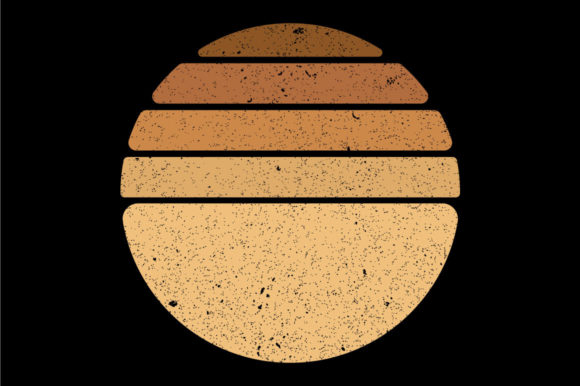
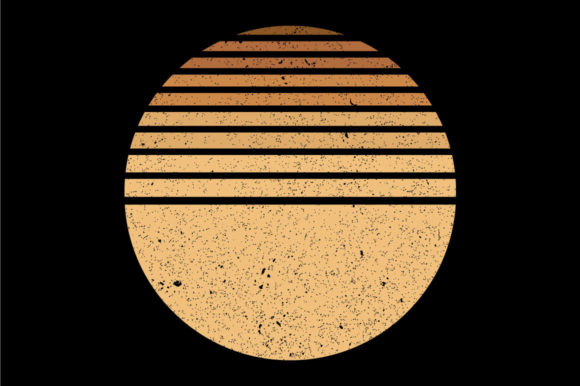
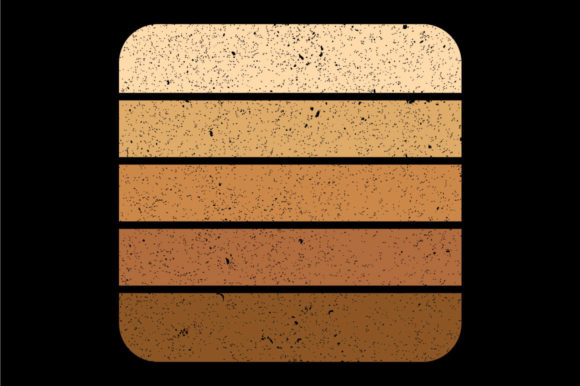
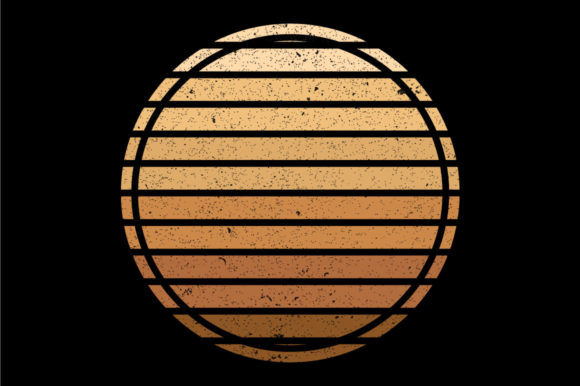
The moment you open the file for Vintage Retro Sunset 17, the aesthetic speaks for itself. We are dealing with a classic retro motif, likely featuring warm gradients, geometric sun rays, or distressed textures that evoke the late seventies or early eighties. This is not a clean, modern vector line; it has character. It has grain. For an embroidery project, this texture is crucial because it hides minor imperfections in stitching better than a solid, flat color block would.
The visual personality of this design is relaxed but intentional. It screams "craft fair bestseller." It fits naturally into the world of handmade products where authenticity is valued over perfection. When I look at this machine embroidery design, I immediately see it on a heavyweight cotton canvas tote bag or the chest of a heather grey sweatshirt. It doesn’t try to be delicate; it tries to be bold and nostalgic. That distinction matters because it sets clear expectations for the end user. You aren’t selling a fine art print; you are selling a vibe.
Real-World Application: Where Does This Design Shine?
In my experience, the success of a design often depends entirely on the substrate. Vintage Retro Sunset 17 performs exceptionally well on structured fabrics that can support its visual weight. Let’s talk about specific scenarios where this design would drive sales and satisfaction.
- Custom Apparel and Sweatshirts: This is the sweet spot. A retro sunset graphic on a crewneck sweatshirt is a timeless combination. The design’s warmth contrasts beautifully against cool-toned fabrics like navy, charcoal, or forest green. It adds instant value to what might otherwise be a plain garment, turning it into a statement piece suitable for custom apparel lines.
- Tote Bags and Market Totes: Canvas bags are durable, and they forgive stitching errors. The retro aesthetic pairs perfectly with the utilitarian nature of a tote. Imagine this design centered on a natural jute or organic cotton bag. It becomes a functional accessory that doubles as a fashion statement, perfect for an Etsy seller looking to expand beyond clothing.
- Baby Items and Nursery Decor: While retro can sometimes feel harsh, soft pastel variations of this sunset theme work wonderfully for baby blankets or muslin swaddles. The gentle curves and familiar imagery provide comfort. As a personalized gift, a onesie featuring Vintage Retro Sunset 17 feels thoughtful and unique compared to mass-produced store-bought alternatives.
- Embroidered Patches and Caps: If the design is scaled appropriately, it makes for a striking patch. Whether sewn onto a denim jacket or embroidered directly onto a trucker hat, the circular or semi-circular composition of many sunset designs frames the face nicely. It elevates a basic cap into a branded item for a small shop product.
Technical Considerations and Potential Pitfalls
Not every design works everywhere, and being honest about limitations is part of professional advice. Vintage Retro Sunset 17 has specific areas where a designer needs to exercise caution to ensure a quality finished product.
First, consider the stitch density. Retro designs often rely on large fill areas to create the gradient effect of a setting sun. If the digitization is too dense, the fabric will pucker, especially on lighter materials like thin t-shirts or jersey knits. Always check the density map before running a production batch. If the design uses heavy fill stitch sections, ensure you are using a proper cut-away stabilizer to prevent distortion during washing.
Second, think about scale and detail. If you attempt to stitch this design in a very small hoop size, you may lose the subtle textural details that give the design its retro charm. Tiny dots or fine lines in the sun’s rays might merge together, creating a muddy appearance. For detailed accuracy, aim for a larger hoop size where the machine can execute the satin stitch edges cleanly without overcrowding the stitches.
Third, fabric texture plays a huge role. On highly textured fabrics like boucle wool or thick terry cloth, the definition of the design will suffer. The threads sink into the pile, blurring the sharp lines of the sunset. For the best results, stick to smooth-to-medium weave fabrics like cotton, polyester blends, or denim. Also, be mindful of dark fabrics. If the design relies on light thread colors for the sun’s glow, you may need to add a backing layer or choose a design variant with higher contrast to ensure visibility.
Design Assets and Commercial Viability
For those of us treating this as a commercial embroidery opportunity, understanding the source is key. The product is listed under Print Templates and Graphics, which suggests it originates from a digital asset library. This means the underlying image is likely a high-resolution raster or vector file converted for embroidery use. When integrating this into your workflow, remember that the visual appeal of the final item depends heavily on your choice of thread colors.
A digital preview might show a perfect gradient, but thread is opaque. You cannot blend threads on the fabric the way you can on a screen. To mimic the retro sunset look, you must select a palette of threads that complement each other—perhaps amber, orange, deep red, and purple. Test these combinations on scrap fabric first. Look at the transition between colors. Do they clash? Do they blend smoothly? This step is non-negotiable if you want to maintain brand consistency and professionalism in your craft business.
Practical Tips for the Embroidery Designer
Before you commit to a full run of Vintage Retro Sunset 17 for your next drop, follow these practical steps to safeguard your reputation and your time.
- Test on Scrap Fabric: Never trust a screen test alone. Stitch the design on the exact fabric type you plan to sell. Check for puckering, thread breaks, and tension issues.
- Check Licensing: Since this is a digital asset, verify the license terms. Can you sell the finished physical items? Is there a limit on the number of units? Confirming licensing before selling is essential to avoid legal trouble.
- Review Small Details: Zoom in on the digitization. Are there any stray jumps or trim marks visible? Are the corners of any rectangular elements reinforced? Poorly executed corners can look sloppy and reduce the perceived value of the item.
- Compare Light and Dark Backgrounds: Create mockups showing the design on both white and black fabrics. This helps you understand the versatility of the design and allows you to market it more broadly.
- Use Proper Stabilizer: Depending on the fabric weight, use the appropriate stabilizer. A lightweight tear-away might suffice for a stable woven shirt, but a heavy-duty cut-away is needed for stretchy knitwear or hats.
Final Verdict
Vintage Retro Sunset 17 is a strong candidate for designers looking to add a touch of nostalgia to their collection. It is versatile enough for holiday embroidery gifts, personal branding for apparel decorators, and eye-catching displays at craft fairs. Its strength lies in its ability to evoke emotion and fit seamlessly into the current trend of vintage-inspired aesthetics.
However, success with this design requires technical diligence. Respect the stitch density, choose the right fabric, and pay attention to thread selection. When done correctly, the result is not just an embroidered patch or shirt; it is a polished, desirable handmade product that customers will be proud to wear and share. If you are an Etsy seller or a creative entrepreneur looking to expand your design assets, this file offers good potential for high engagement and sales, provided you treat it with the professional care it deserves.