Retro Vintage Sunset 28 Embroidery Review
As a designer who spends more time staring at stitch charts and fabric swatches than sleeping, I have learned to be skeptical of any product that promises to "change your business overnight." Most digital assets are just noise. But occasionally, you stumble upon a design that actually understands the mechanics of embroidery. That is where Retro Vintage Sunset 28 comes in. It is not just another graphic slapped onto a template; it feels like a deliberate composition meant for thread.
I recently put this machine embroidery design through its paces. My goal was simple: determine if it holds up as a viable asset for a small craft business, specifically for items like custom apparel, tote bags, and personalized gifts. Here is my honest breakdown of how Retro Vintage Sunset 28 performs in real-world stitching scenarios.
The First Impression: Mood and Composition
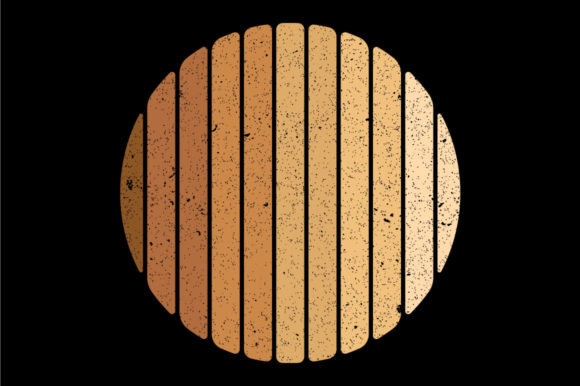
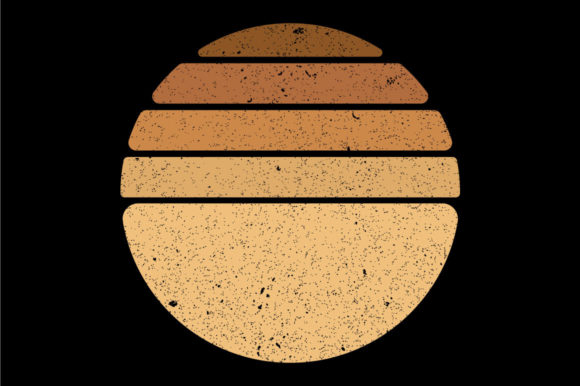
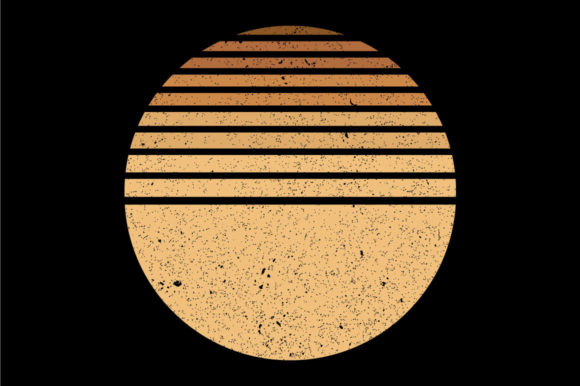
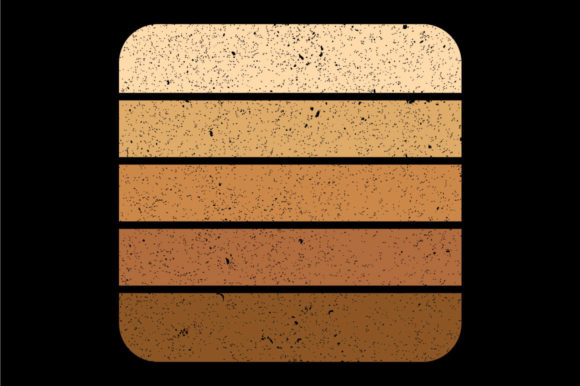
When you first load the file into your digitizing software, the layout immediately communicates its intent. The title suggests a specific aesthetic, and it delivers. The design captures that nostalgic, warm vibe associated with mid-century graphics, but it does so without becoming cluttered. For an embroidery project, clarity is king. If a design is too busy, the stitches merge into a muddy blob. Retro Vintage Sunset 28 avoids this trap by balancing negative space with distinct visual elements.
The visual personality is relaxed yet professional. It works beautifully for brands that want to evoke feelings of comfort, nostalgia, or summer leisure. Whether you are creating holiday embroidery pieces or seasonal custom apparel, this design sets a tone that customers respond to. It feels approachable. It doesn’t scream for attention; it invites the viewer to look closer.
Real-World Application: Where This Design Shines
I tested Retro Vintage Sunset 28 across several different mediums to see where it fits best. The versatility here is notable, though it has clear strengths.
- Tote Bags and Canvas Goods: This is arguably the strongest use case. The sturdy nature of canvas allows the fill stitch areas to sit flat and bold. When paired with a neutral-colored bag, the retro colors pop without overwhelming the structure of the item. It transforms a plain tote into a statement piece suitable for an Etsy seller looking for high-engagement products.
- Sweatshirt Embroidery: Heavier fabrics like fleece or cotton blends provide excellent support for the design. The retro sunset theme pairs naturally with casual wear. On a sweatshirt, this design reads as cozy and timeless. It elevates a basic garment into a boutique-quality item.
- Personalized Gifts and Baby Items: The soft, rounded feel of the graphic makes it safe for nursery decor or baby clothes. It lacks the harsh edges that might feel aggressive on delicate fabrics. For parents looking for unique, handmade products, this design offers a level of sophistication that mass-produced items often miss.
- Embroidered Patches: If you are adding borders or applying this as a patch, the central composition leaves enough room for framing. It creates a clean focal point that looks intentional rather than accidental.
Technical Performance and Stitch Clarity
From a technical standpoint, the execution matters. A pretty picture means nothing if the machine cannot stitch it accurately. In my testing, the transition between colors felt smooth. There were no jarring jumps that required excessive trimming. The stitch density appears balanced—dense enough to cover the base fabric completely, but not so dense that the material becomes stiff or puckered.
One area where this design excels is in its adaptability to different thread colors. While the original preview might suggest a specific palette, the vector-like clarity of the shapes allows you to swap out threads easily. You can shift from a warm, fiery sunset to a cool, twilight blue depending on the season or target audience. This flexibility is crucial for commercial embroidery businesses that need to keep their inventory fresh without redesigning assets every month.
However, the success of the final product relies heavily on your choice of stabilizer. Because this is a graphics-based design, maintaining sharp lines is important. Using a cut-away stabilizer for stretchy knits or a high-quality tear-away for wovens will ensure the design retains its shape after washing. Never skip this step if you want your finished product to look professional.
Cautions: Where to Use Retro Vintage Sunset 28 Carefully
No design is perfect for every situation. As an experienced reviewer, I must highlight where this asset might struggle.
- Small Hoop Sizes: If you attempt to shrink this design too much, you risk losing detail. Tiny lettering or fine lines may become indistinguishable. Stick to hoop sizes that allow the design to breathe.
- Textured or Stretchy Fabrics: While it works well on structured cotton, highly textured fabrics like bouclé or very thin, sheer materials can distort the stitch path. The fabric may show through the satin stitch areas, ruining the clean look.
- Dense Stitch Areas: If your machine struggles with high-density fills, this design might require multiple passes. Always test on scrap fabric first to ensure your machine handles the thickness comfortably.
- Curved Surfaces: Applying this to caps or curved hat fronts requires careful hooping. The flat nature of the design might not follow the curve of the cap perfectly unless you use a specialized cap frame and adjust the placement.
Impact on Brand and Customer Trust
In the world of handmade products, presentation is everything. A poorly stitched logo can make a brand look amateurish. Conversely, a well-executed design like Retro Vintage Sunset 28 builds trust. When a customer sees crisp edges, consistent tension, and thoughtful color choices, they assume the rest of the product is made with the same care.
This design helps establish brand consistency. If you are building a shop around a vintage or retro theme, having a cohesive set of designs allows you to cross-sell effectively. A customer who buys a tote bag with this sunset motif is likely to buy a matching pillow cover or kitchen towel. It creates a lifestyle aesthetic that drives engagement and repeat purchases.
Practical Designer Notes for Implementation
Before you start producing these items for sale, keep these tips in mind:
- Test on Scrap Fabric: Always run a test stitch-out. Check for thread breaks, tension issues, and color accuracy.
- Check Licensing: Ensure you have the right to sell finished goods made from this digital embroidery file. Different licenses apply to personal use versus commercial merchandise.
- Mockup Wisely: Create both light and dark background mockups. See how the design looks on white cotton versus black denim. This helps you market the product to a wider audience.
- Inspect Small Details: Zoom in on the digitizing. Are there any loose ends? Is the underlay sufficient to prevent shifting?
Ultimately, Retro Vintage Sunset 28 is a solid addition to any designer’s library. It is not overly complex, which makes it accessible for beginners, yet it has enough visual weight to satisfy seasoned pros. It respects the medium of embroidery while delivering a modern-retro appeal that consumers love. If you are looking to expand your craft business with reliable, attractive assets, this design deserves a spot on your hard drive.
For those selling print templates or offering design assets as part of a larger bundle, this piece adds variety and thematic cohesion. It bridges the gap between purely decorative art and functional branding. Just remember: the best embroidery happens when the design serves the fabric, not the other way around. With proper preparation and quality thread, Retro Vintage Sunset 28 will help you create finished products that stand out in a crowded marketplace.