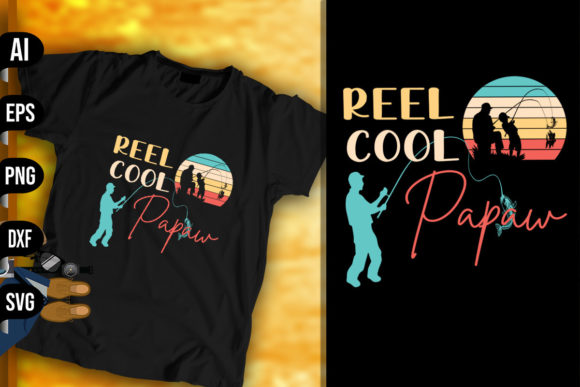
Reel Cool Papaw - Vintage Retro Fishing
As an embroidery designer who spends half my life troubleshooting tension issues and the other half dreaming up designs for clients, I approach every new download with a mix of hope and skepticism. We’ve all been there: buying a design that looks stunning in the digital preview but turns into a tangled mess once it hits the hoop. Today, I’m putting Reel Cool Papaw - Vintage Retro Fishing through its paces. This isn’t just about whether the file opens correctly; it’s about whether this design holds up in the real world of custom apparel, personalized gifts, and small business merchandise.
First Impressions: The Mood and Visual Personality
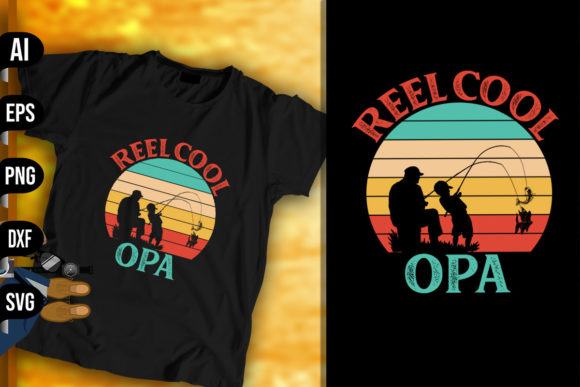
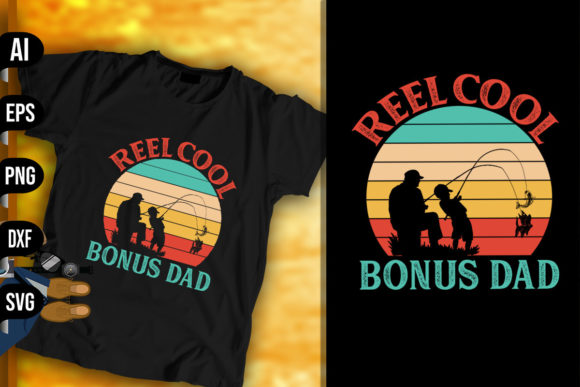
The moment you open the Print Templates or graphics file associated with this design, the vibe is immediate. It leans heavily into a nostalgic, Americana aesthetic. The "Reel Cool Papaw" text paired with retro fishing imagery creates a specific emotional hook. It’s not just a fish; it’s a memory. For designers looking to create custom apparel or personalized gifts, this kind of emotional resonance is invaluable. It speaks directly to the target demographic—grandfathers, fishing enthusiasts, and families who value tradition.
Visually, the layout feels balanced. The typography anchors the piece, while the graphic elements provide enough detail to catch the eye without overwhelming the viewer. In embroidery, less is often more, especially when dealing with limited color palettes. This design seems to strike a good balance between decorative flair and readability. It has that vintage charm that performs exceptionally well on cotton tees, canvas totes, and even denim jackets. If you are an Etsy seller or run a craft business, you know that products with a clear theme and strong personality sell faster than generic items. This design delivers exactly that.
Real-World Application: Where This Design Shines
I like to test designs by imagining them on actual products before I even thread the needle. Here is how Reel Cool Papaw - Vintage Retro Fishing translates across various mediums:
- Sweatshirt Embroidery: This is perhaps the strongest use case. The retro fishing theme pairs perfectly with heavyweight hoodies or crewnecks. Imagine this stitched in earth tones—olive greens, mustard yellows, and deep navy blues—on a charcoal grey sweatshirt. It becomes a statement piece that feels both rugged and sentimental.
- Tote Bag Design: Canvas totes are a staple for handmade shops. This design works beautifully as a central chest print or even centered on the front panel of a tote. The sturdy nature of canvas supports the stitch density well, ensuring the design doesn’t pucker over time.
- Baby Embroidery: While the theme is rugged, the sentiment is tender. Think of this on a soft muslin blanket or a baby onesie. The contrast between the tough fishing imagery and the delicate fabric creates a charming juxtaposition that new parents love. It makes for a memorable holiday embroidery gift or a baby shower present.
- Embroidered Patch: Converting this into a patch format could be a lucrative product line. Patches allow for a distinct border, which helps frame the design and adds a professional finish. These can be ironed onto backpacks, caps, or aprons, extending the life of the design asset.
Technical Considerations and Stitch Clarity
When evaluating a machine embroidery design, clarity is king. Retro styles often rely on clean lines and bold shapes, which generally translate well to stitches. However, we need to look closer at the execution.
The text "Reel Cool Papaw" needs to be legible. In embroidery, thin fonts can disappear into the fabric texture, especially if the thread colors lack sufficient contrast. I recommend checking the lettering closely. If the design uses fine serifs or tight kerning, you might want to simplify the font choice during digitizing or ensure your machine is set up for high precision. A satin stitch on the letters will give them a polished, raised look that enhances the vintage feel.
For the graphic elements, such as the fish or fishing gear, fill stitches are likely used. The key here is stitch density. If the density is too high, the fabric will pucker, and the design will lose its shape. If it’s too low, the backing material might show through, giving a cheap appearance. Look for areas where different colors meet; clean transitions between threads are what separate amateur work from professional results. Pay attention to the corners of any rectangular elements or the tips of fins. These small details often get lost if the underlay stitching isn’t robust enough.
Where to Exercise Caution
Not every surface is created equal. While this design is versatile, there are situations where it might struggle:
- Small Hoop Sizes: If you attempt to stitch this on a very small area, such as a child’s pocket or a tiny hat brim, the details may become muddy. Ensure your hoop size allows enough room for the design to breathe.
- Textured Fabrics: Linen, burlap, or heavy tweed can hide the nuances of an embroidery design. On these fabrics, the definition of the satin stitch and running stitch accents may be lost. Stick to smoother fabrics like cotton, polyester blends, or fleece for the best result.
- Stretchy Fabrics: Materials like jersey or spandex require extra stabilization. Without proper support, the design can distort as the fabric stretches. Always use a cut-away stabilizer for knit fabrics to maintain integrity.
- Dense Stitch Areas: Avoid placing dense sections of the design on curved surfaces like the front of a cap or the shoulder seam of a shirt. The curvature can cause the stitches to pull apart or create gaps.
Practical Designer Notes for Success
Before you rush to list this as a small shop product or start fulfilling client orders, take these steps to ensure quality:
- Test on Scrap Fabric: Never assume a design will work perfectly on your final material. Stitch it out on a scrap piece of the same fabric type to check for puckering, thread breaks, or color clashes.
- Check Thread Contrast: View your design in black and white mockups. This helps you see if the light and dark threads have enough separation to remain distinct after stitching.
- Inspect Small Details: Zoom in on the digital file. Are there tiny details that might not survive the stitching process? If so, consider simplifying them or adjusting the digitizing settings.
- Confirm Licensing: As a digital product seller or commercial embroiderer, you must verify the license terms. Can you sell finished items? Can you modify the design? Knowing this upfront protects your business from legal issues.
- Use Proper Stabilizer: The right stabilizer makes the difference between a wobbly design and a crisp one. Match the stabilizer weight to the fabric weight for optimal results.
Final Verdict: Is It Worth the Investment?
Reel Cool Papaw - Vintage Retro Fishing is a solid addition to any designer’s library, particularly those focused on family-oriented, rustic, or outdoor-themed niches. It captures a specific mood that resonates with buyers looking for handmade products with heart. Whether you are creating a printable mockup for an online store or stitching a one-of-a-kind personalized gift, this design offers a strong foundation.
Its versatility allows it to span multiple categories, from commercial embroidery projects to decorative accents on home goods. By paying attention to the technical details—stitch density, fabric choice, and stabilizer use—you can elevate this design from a simple graphic to a premium finished product. For the savvy creative entrepreneur, it represents an opportunity to connect emotionally with customers through thoughtful, well-executed craftsmanship.
If you are looking to add a touch of nostalgia and warmth to your collection, this design deserves a spot on your hard drive. Just remember, the magic happens in the stitching, not just the file. Take your time, test thoroughly, and let the quality of your work speak for itself.